
August 5, 2026
Night Shift vs. Day Shift: Which Is Harder?
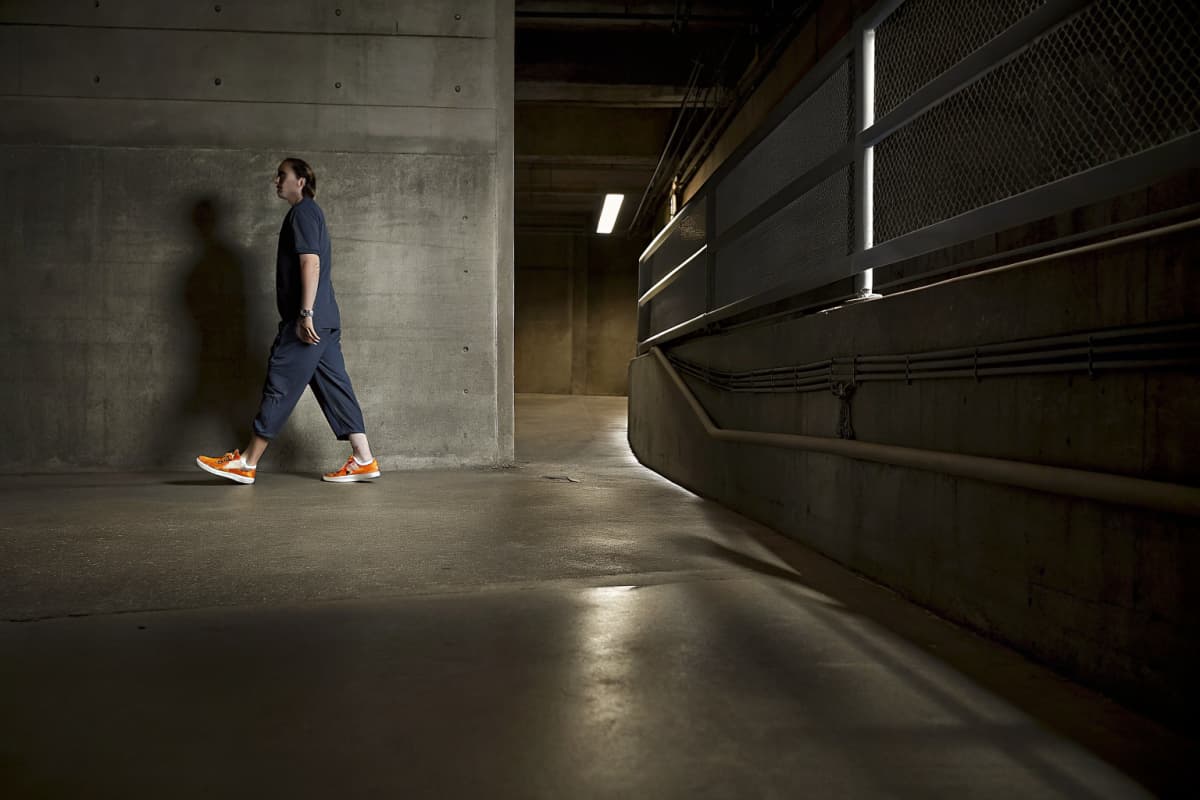
"Which cna shift is the best" gets typed into a search bar more than you'd think, usually by someone new who hasn't picked a side yet. Ask ten nurses and you will get ten different answers, and half of them will change their mind depending on how the last four in a row went. There is no universal winner here. Nights and days break you down in completely different ways, and knowing which kind of tired you are signing up for is half the battle before you even pick up the shift.
Day shift sounds easier on paper. You are awake when the world is awake, you eat dinner at a normal hour, your friends who work 9 to 5 can actually hang out with you. But day shift also means the floor is at full volume. Doctors rounding, families visiting, discharges stacking up, admin walking through, every department needing something from you at once. It is not quieter. It is just louder in a different way than nights.
What day shift actually takes out of you
Day shift is a mental game more than a physical one. You are managing more moving parts per hour: more orders, more family questions, more interruptions mid-task. The pace rarely lets up long enough for you to reset, and by hour ten your patience is the thing running on empty, not just your legs. A lot of day shift nurses will tell you the exhaustion hits different, it is decision fatigue, not sleep deprivation.
The upside is your body clock stays intact. You sleep at night like a normal person, your circadian rhythm is not fighting you, and your days off actually line up with everyone else's. That matters more than people give it credit for. Being able to make a dinner reservation or catch your kid's game without doing math on your sleep schedule is a real quality of life difference.
What NOC shift does that day shift never will
Night shift, or NOC shift as most of the floor calls it, is a different kind of hard. The workload can be lighter in raw task count, fewer families around, fewer interruptions from other departments, but your body is working against a schedule it was never built for. You are asking your circadian rhythm to just go along with it, and it does not go quietly. Sleeping through daylight, staying alert at 4am when your core temperature naturally drops, trying to eat on a schedule your gut does not recognize. That is the trade.
Then there is the social cost. Three-on-four-off is supposed to be the reward, but if your four off are spent sleeping backward and re-syncing your body before the next stretch, you lose real days to recovery that day shift workers get to spend living. NOC nurses build their own culture around this though. The crew that gets you through a 2am code together is a bond day shift rarely produces, and plenty of night shift lifers will say they would not trade that for anything.
The one thing both shifts have in common
Whichever side of the clock you are on, your feet and your body are doing the same job: absorbing twelve hours of standing, walking, and turning patients on hard hospital flooring. That does not change with the lighting. What changes is how you recover from it. Day shift workers get to walk out into sunlight and reset on a normal schedule. Night shift workers walk out into sunrise when their body wants to be shutting down, and that recovery window is shorter and harder to protect.
Either way, the four days off are not optional recovery time, they are required. Whatever gets your body and your head back online, whether that is sleep, actual daylight, or just getting dressed as a person instead of a uniform, protect it like it is part of the job. Because it is.
Staying Shift Ready no matter which one you work
The fit does not care what shift you are on. Nights or days, you still walk out of that building and want to look like yourself again, not like you just survived something. That is the whole point of building a rotation around a colorway you actually love instead of whatever is clean. Shift Ready is not about the shift, it is about having the fit handled before you even clock out.