
August 17, 2026
Ultimate Weekend Recovery Routine for Healthcare Warriors
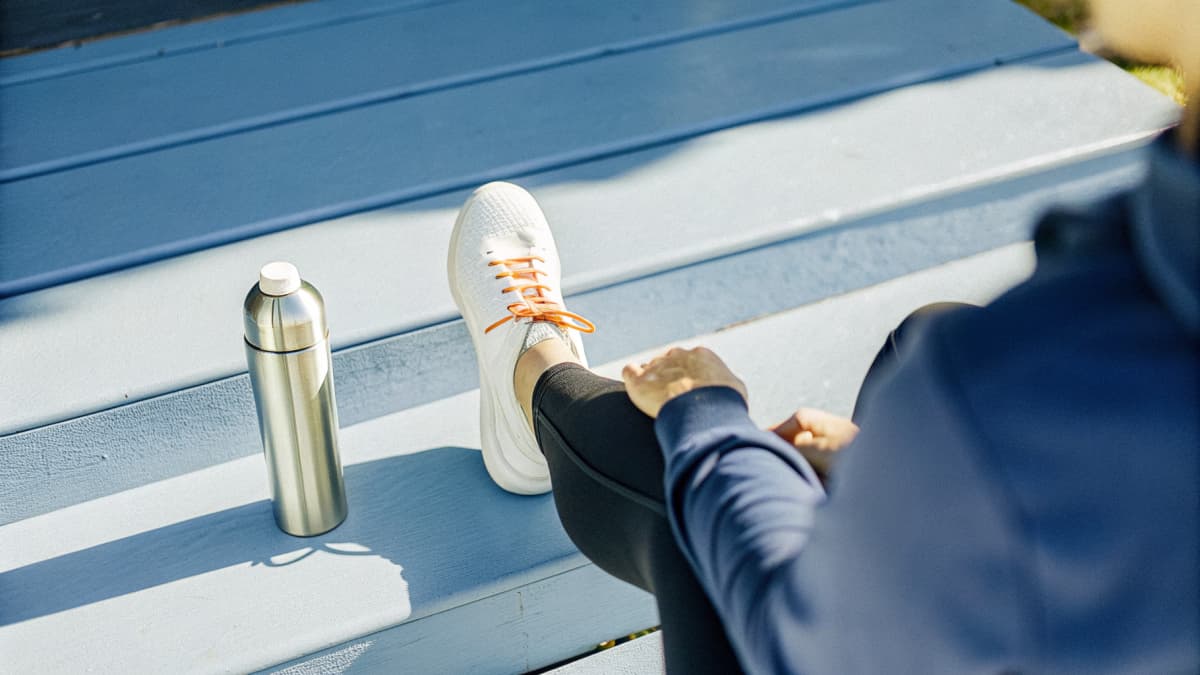
"My lower back is DEAD by the end of one shift, 3 in a row is literally torture." That's a real nurse describing a real stretch of 3x12s, and if you just clocked out of your last shift for the week, you probably nodded reading it. Four days off finally showing up on the schedule should feel like a reward, and it is, but it doesn't start that way. It starts with a body that's been standing, turning, pivoting, and absorbing hospital flooring for thirty-six-plus hours straight, and a brain that's still half charting in the shower. A real recovery routine isn't a spa day. It's a plan for the first forty-eight hours off that actually gets your body and your head back before the next stretch starts.
Your Body Just Worked a 4x12. Respect That First
Before you plan anything, admit what the last few days actually cost you. Bone on bone knees, flat feet, a back that complains the second you sit down wrong, none of that is dramatic, it's just what the job does. One nurse online put it this way, half joking and half not: "putting aside my pride here, I'm desperate, I can no longer handle my feet smelling like a dumpster." That's not a punchline. That's the shame a lot of shift workers carry about what this job does to their bodies, and it doesn't need to be carried quietly. Day one off isn't for errands or a packed schedule. It's for sleeping past your alarm, elevating your feet, and letting your body actually register that the last twelve hours are over.
Move, Just Differently
Recovery doesn't mean lying flat for four days straight, and it doesn't mean a hard workout either. Your legs already did the work. What they need now is light, easy movement that flushes them out instead of a gym session that adds to the pile. A slow walk around the block in your comfortable rotation, not your work shoes, does more for stiff calves and swollen ankles than sitting completely still does. Stretch your hip flexors and calves the way you'd stretch after any long shift on your feet, hold each one for thirty seconds, breathe through it, don't rush it. If you've got a foam roller, this is the day it earns its spot in the closet. The goal isn't fitness. It's getting the blood moving again after twelve-plus hours of standing still in place.
Compression Socks Don't Clock Out Either
Compression socks aren't just a shift-day tool. A lot of nurses and CNAs keep wearing them the first day or two off, specifically because the swelling from three or four twelves in a row doesn't disappear the second you badge out. "Good quality compression socks, bonus points if they are cute," is exactly how one nurse put it when someone asked what actually helps, and that's the whole approach in one sentence. Function first, personality second. Pair them with your feet up on the couch instead of on the floor for a while, and don't feel weird about it. You spent the whole shift on your feet for other people. The first day off, your feet get to be the priority for once.
Getting Dressed Shouldn't Be Another Decision
Here's the part almost nobody accounts for when they plan a recovery day: getting dressed is its own small tax. "Picking out and coordinating outfits every day sucks, and I'm no good at it," is something we hear constantly from nurses who miss the built-in decision that scrubs make for them every shift. Off duty, that decision is back on you, right when you have the least energy to make it. That's the whole reason we build shirts, hoodies, and socks that match the exact sneakers you already own instead of guessing. Send us a picture of your pair and we'll match it, custom, guaranteed. Not novelty merch with a stethoscope slapped on it, not something you'd be embarrassed to wear to the store. Just a fit that's already decided, the same way your scrubs decide for you on shift.
The Full Fit for Your Fourth Day Off
By day three or four, you're not recovering anymore, you're actually living again, and that's when the fit matters most. This is when the grail pair finally comes out of the box, when you're seeing your crew off the clock instead of in the break room, when you get to be a person and not a unit assignment for a little while. Build the whole thing around your sneakers, shirt, socks, the works, so nothing you're wearing is fighting the pair on your feet. Recovery isn't just rest. It's getting back to the parts of your life the job doesn't touch, dressed like you actually planned it instead of grabbing whatever was clean.